

Applying for a builder licence across NSW, QLD, ACT, or TAS can feel like chasing a moving target. Each state wants specific proof, and missing just one piece of evidence can stall your application or lead to rejection. This guide breaks down the builder licence evidence requirements you need to meet, so you can skip the guesswork and get your documents regulator-ready with confidence. Ready to make your next move smoother? Learn more about getting a builder’s licence in Australia.
Understanding Builder Licence Evidence

Getting a builder licence is no walk in the park. Each section of this guide will give you the details you need to assemble a strong application.
NSW Builder Licence Documents Explained
When applying for a builder licence in NSW, you’ll need several documents. First, your trade qualifications. If you’re missing some, consider Recognition of Prior Learning. Next, ensure you have evidence of your work history, like project lists and site diaries. Don’t forget your safety white card and proof of financial capacity. Each document serves a purpose, and missing one can cause delays.
Checking with NSW Fair Trading is wise, as requirements can change. You can find more about it on the NSW Government website. By having everything prepared, you’re more likely to get approved quickly.
QBCC Builder Licence Evidence Checklist
In Queensland, the QBCC has its own set of rules. Gathering documents like proof of experience and financial requirements is key. Make sure your financial details are up-to-date and accurate. Missteps here are common and can sink your application.
The QBCC places a strong emphasis on financial stability. Check your numbers and provide clear documentation. The process might seem daunting, but with careful preparation, you can avoid common pitfalls. For more details on QBCC requirements, consider visiting College for Adult Learning.
ACT and Tasmania Builder Licence Needs
If you’re applying in the ACT or Tasmania, you’ll face different criteria. In the ACT, a focus on qualifications and proof of your experience is crucial. Tasmania will want to see similar documents, but also emphasizes business documents. Each state has its own quirks, so understanding them is vital.
It’s smart to double-check specific requirements for each region. Visit the ACT Planning website or the Tasmanian CBOS site for the latest updates. This ensures your application is regulator-ready and reduces the odds of rejection.
Common Rejection Reasons

Understanding why applications get rejected can help you avoid the same fate. Let’s explore the common pitfalls you should watch out for.
Proof of Experience Construction Pitfalls
Proof of experience is vital, but it’s easy to mess up. Many applicants lack detailed work history or fail to provide statutory declarations. Make sure your logbook is complete, and your projects are well-documented. Specificity is your friend here.
Ensure your experience aligns with the relevant criteria. The more precise you are, the better your chances. Don’t underestimate the power of a thorough work history.
Referee Statements Builder Licence Issues
Referee statements need to be rock solid. Many applications falter because they lack credible or comprehensive referee inputs. Each referee should know your work well and be prepared to vouch for your skills in detail.
Choose referees who can articulate your strengths clearly. Preparing them with what to say can make a big difference. A well-prepared statement can set you apart from other applicants, boosting your approval chances.
Insurances and Business Documents Gaps
Skipping insurance details or lacking business documents can trip you up. While it might seem minor, these omissions can lead to rejection. Always include your insurance proofs and business details to cover all bases.
Being meticulous with these documents saves you from headaches. Double-check everything before submission to ensure completeness and accuracy. This simple step can prevent unnecessary hiccups in the process.
Steps to a Regulator-Ready Application
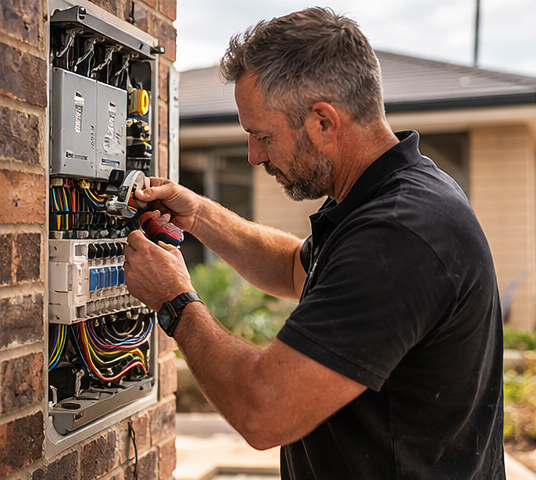
Getting your application regulator-ready doesn’t need to be stressful. Follow these steps to streamline your process and boost your success rate.
Gathering Trade Qualifications and RPL
Start by gathering all your trade qualifications. If you lack certain credentials, consider Recognition of Prior Learning (RPL). RPL can help fill gaps in your education by leveraging your work experience.
Compile your qualifications and check for completeness. Missing documents can cause delays, so double-check everything. This preparation sets a strong foundation for your application.
Preparing a Work History Logbook
A well-documented work history is critical. Create a logbook of your past projects, including site diaries and supervision records. Detail each project with specifics to showcase your skills and experience.
Detail matters, so take your time documenting your work history. This logbook proves your expertise and aligns with what regulators expect. Proper preparation ensures your application is both complete and compelling.
Completing Fit and Proper Person Checks
The fit and proper person check is a standard requirement. Ensure your personal and financial records are in order. Any inconsistencies can raise red flags and slow down the process.
Prepare by reviewing your personal history and financial standing. This is your last step but equally important. Getting this right ensures your application is not only complete but regulator-ready.