

Applying for a builder licence in NSW, QLD, ACT, or TAS can feel like navigating a maze of forms, fees, and rules. Missing a single document or detail could hold up your approval and cost you valuable time. This checklist breaks down every step you need for your builder licence application, tailored to each state’s specific rules. Stick with us to avoid delays and get clear, practical advice to help your application go through smoothly.
Builder Licence Requirements by State
Navigating the builder licence requirements across states can be confusing. Let’s break it down by state so you know exactly what you need.
NSW Fair Trading Builder Licence
In NSW, getting your builder licence means engaging with NSW Fair Trading. They have specific criteria you must meet. First, ensure you have the right qualifications. This could include a Certificate IV in Building and Construction or equivalent. You also need proven industry experience. Typically, you should have at least two years of practical experience in general building work. Additionally, Fair Trading may require proof of financial solvency and good character.
Make sure your documents are complete: proof of identity, qualifications, and experience. Missing any of these can lead to delays. Don’t forget to include your national police certificate. This ensures your application is processed without hitches. For more details, check the NSW Fair Trading website.
QBCC Licence Application for QLD
Moving to Queensland, the process is a bit different. The Queensland Building and Construction Commission (QBCC) handles licences here. You need to demonstrate your skills and qualifications, often through a Certificate IV or equivalent. Financial capacity is also key. QBCC requires a minimum net tangible asset position and annual revenue forecast.
Your experience matters too. You should have worked in the field for at least two years. It’s crucial to submit a complete application, including your qualifications and financial information. The QBCC website provides comprehensive guidance on each step.
ACT Builder Licence Steps
In the ACT, the process is managed by Access Canberra. Here, you must prove your experience and qualifications. A Certificate IV in Building and Construction is generally necessary. Plus, you need two years of related experience. The ACT also requires evidence of your financial and technical skills.
Ensure your application includes all necessary documents: your qualifications, experience proof, and a national police check. Missing documents can lead to rejection. Be thorough to avoid setbacks. Access Canberra’s website is an excellent resource for specific requirements.
Essential Documentation Needed

Having the right documents can make or break your builder licence application. Let’s explore the essentials.
Proof of Experience Builder Licence
Your experience is your asset. For most states, you need at least two years of relevant experience. Document your work history meticulously. Include project details, your role, and the skills you gained. A work diary can be a helpful tool here.
Be specific in your descriptions. Instead of saying you worked on “various projects,” detail the size and scope of those projects. This paints a clearer picture of your experience level. It’s these details that regulatory bodies want to see.
Referee Statements for Applications
Referee statements are crucial. These are testimonials from your supervisors or clients that validate your experience. They provide an external perspective on your skills and reliability. Choose referees who can speak comprehensively about your work.
Ensure these statements are detailed. They should cover the nature of your work, your responsibilities, and your professionalism. A strong referee statement can significantly boost your application’s credibility.
Insurance and Fees
Insurance is non-negotiable. Depending on the state, you might need different types of coverage. For instance, in NSW, you need Home Building Compensation Fund (HBCF) insurance. In Queensland, you might require QBCC home warranty insurance.
Be prepared for fees too. Licensing fees vary, so budget accordingly. Don’t let unexpected costs catch you off guard. Knowing these requirements in advance can save you both time and stress.
Tips for a Smooth Application
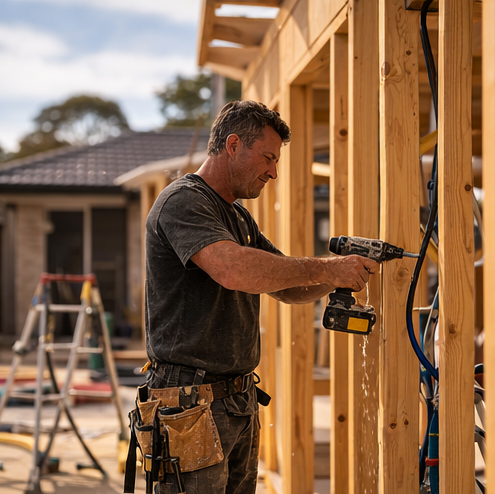
A smooth application process is within reach if you avoid common pitfalls. Here’s how to ensure success.
Avoid Common Mistakes
Mistakes can slow down your application process. Common errors include incomplete forms, missing documents, or incorrect information. Double-check everything before submission. Ensure all documents are updated and correctly labeled.
Another oversight is failing to meet experience criteria. Make sure your experience aligns with the requirements. If in doubt, seek clarification from your state’s licensing body. Remember, taking the time to get it right initially can prevent delays later.
Expert Help and Support
Sometimes you need an expert’s touch. Services like Trade Licence Solutions NSW can provide invaluable support. They offer end-to-end assistance, ensuring your application is complete and accurate. This guidance can be especially helpful if your situation is complex.
Having a professional’s insight reduces the risk of errors and rejections. It’s an investment in peace of mind. Even experienced tradespeople can benefit from expert advice, making the application process smoother.
Benefits of Multi-State Licensing 🌟
Why limit yourself to one state? Obtaining a licence in multiple states can expand your business opportunities. This is especially true in Australia, where states have different regulations and demands. Being licensed in several places makes you more versatile and competitive.
Moreover, many states offer mutual recognition agreements. This can simplify the process of working across borders. The more states you’re licensed in, the broader your potential market. Consider the long-term benefits of multi-state licensing. It’s a strategic move that can pay dividends as your business grows.
By understanding these steps, you’re setting yourself up for success. Keep your focus, prepare thoroughly, and consider professional help when needed. Your builder licence is a stepping stone to greater opportunities.