
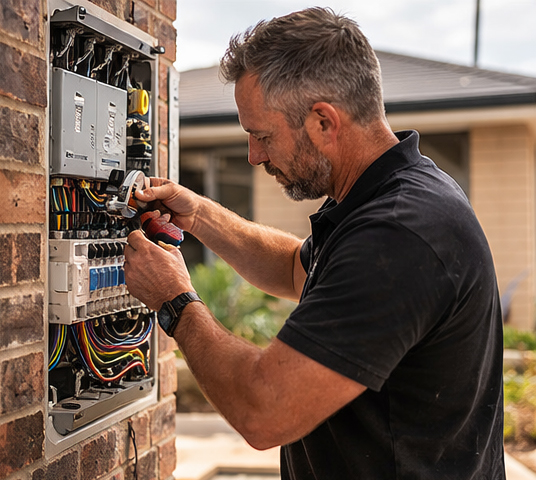
Trade licence applications across NSW, QLD, ACT, and TAS can feel like a maze, with different rules and paperwork for each state. Missing a single document or detail could mean delays or outright rejection, wasting your time and effort. This checklist breaks down what you need, step by step, so you get your trade licence NSW, QLD, ACT, or TAS without the headaches. Grab the free checklist and book a quick consult to make sure your application ticks all the boxes. Check out our resources here.
Trade Licence Requirements by State
Getting a trade licence varies by state, making it essential to understand specific requirements. Let’s look at the essentials for each state to ensure a smooth application process.
Trade Licence NSW Essentials
Applying for a trade licence in NSW requires attention to detail. First, make sure you have your qualifications ready. Education or training documents, like certificates, are a must. Next, prepare your proof of identity documents. These include a driver’s licence or passport. Then, verify your work experience. This step often involves submitting work diaries or letters from past employers. Don’t overlook insurance. Public liability insurance is usually necessary.
For NSW, the typical processing time is between 4-14 weeks. Remember that incomplete submissions can slow this down. To avoid this, double-check your documents before submitting them to NSW Fair Trading. If you want to work across borders, consider the mutual recognition trade licence option. This makes it easier to operate in multiple states.
Key Steps for Trade Licence QLD
In Queensland, the process starts with the QBCC, the Queensland Building and Construction Commission. Begin by ensuring your qualifications align with QBCC requirements. Each trade has different criteria, so check their guidelines. Next, compile your identity documents. These are similar to NSW but check for any state-specific variations.
Your next step is to gather evidence of your work experience. Referee statements are crucial here. These statements need to validate your skills and past work. Finally, don’t forget about financial requirements. QBCC often asks for a financial declaration to ensure you can manage your business responsibly.
Processing times in QLD can vary, so early preparation helps. Consider a QBCC licence checklist to keep track of each step. Also, if you’re moving between states, the mutual recognition option could simplify your transition.
Navigating Trade Licence ACT
In the ACT, trade licensing involves a few unique steps. Start by confirming your qualifications meet Access Canberra standards. Tradespeople often need specific training or certificates. Then, gather identity documents similar to other states. Be sure to have recent proof of address as well.
The next phase focuses on experience verification. This means providing comprehensive work history details. Referee statements and formal experience logs are part of this step. Insurance is also crucial, particularly public liability insurance.
ACT processing times can be lengthy, so complete applications are beneficial. Use the Access Canberra licence steps for guidance. With the right documents and preparation, you can avoid delays and ensure your application is processed promptly.
Builder Licence Application Process

Securing a builder licence requires an understanding of specific processes. Each region has its own set of rules and steps to follow.
Understanding NSW Fair Trading Licence
The NSW Fair Trading licence process starts with educational requirements. Builders need specific qualifications that match the trade’s standards. You’ll need to provide proof of these qualifications as part of your application. Then, focus on experience verification. This involves submitting detailed work histories and referee statements.
Next, gather your identity documents. These typically include a driver’s licence or passport. Make sure your insurance details are up-to-date, especially public liability insurance. This insurance is crucial for NSW builders.
The average processing time for NSW is 4-14 weeks, but errors can extend this period. To avoid setbacks, verify all documents before submission. Access the NSW Fair Trading licence resources for step-by-step guidance.
Preparing for QBCC Licence Checklist
In Queensland, the QBCC oversees builder licences. Start by ensuring your qualifications match their criteria. Each trade has unique requirements, so it’s vital to check these in advance. Collect identity documents like a passport or driver’s licence as your next step.
Experience verification follows. This step requires detailed work histories and referee statements. Financial documents are also part of the process. QBCC wants to see that you can manage your business’s financial health.
Using the QBCC licence checklist can keep you organized. Early preparation ensures you meet all criteria and avoid unnecessary processing delays.
Access Canberra Licence Steps
For builders in the ACT, Access Canberra is your go-to for licences. Start by confirming your qualifications. Builders need specific training or certifications. Gather identity documents, ensuring they’re up-to-date. Address verification is often required as well.
The next step involves experience verification. This means providing comprehensive work histories and referee statements. Ensure your insurance documents are ready. Public liability insurance is a must.
ACT processing times can vary, so don’t leave anything to chance. The Access Canberra licence guide offers valuable insights into each step. Accurate preparation can help avoid delays.
Tips for a Successful Application

A successful licence application depends on meeting various criteria. Let’s explore some tips to ensure your application stands out.
Experience Verification & Referee Statements
Experience verification is key for any application. Start by gathering your work history. Be precise: list your roles, responsibilities, and achievements. Documenting this accurately enhances your application’s credibility.
Next, focus on referee statements. Choose referees who know your work well. They should be able to vouch for your skills and reliability. A strong referee statement can make a significant difference.
Managing Proof of Identity Documents
Identity documents are a fundamental part of your application. Begin by collecting the necessary documents, such as a driver’s licence or passport. Ensure they’re valid and up-to-date. Address verification is often required, so include recent utility bills or bank statements.
Having organized documents reduces stress and speeds up the application process. Double-check everything to avoid missing details. This proactive step can prevent unnecessary delays.
Financial and Insurance Requirements
Financial documents and insurance are crucial. Start by preparing a financial declaration. This shows your ability to manage business finances effectively. Many authorities will require this to assess your application.
Next, focus on insurance. Public liability insurance is often mandatory. This protects you and your clients from potential risks. Having this in place demonstrates responsibility and readiness.
Frequently Asked Questions
How long does it take to process a trade licence application?
Processing times vary by state. In NSW, it typically takes 4-14 weeks, while delays can occur if documents are incomplete. Early preparation can help avoid these issues.
What documents are needed for a trade licence?
Common documents include proof of identity, work experience logs, and insurance details. Specific requirements may vary by state, so check local guidelines for exact needs.
Can I apply for a licence in multiple states?
Yes, you can. The mutual recognition trade licence simplifies this process, allowing you to work across borders more easily. Check the specific requirements for each state you plan to work in.
Why are referee statements important?
Referee statements validate your work experience and skills. Choosing referees who know your work well can make a significant difference in your application’s success.
What insurance is required for a builder licence?
Public liability insurance is typically required for builder licences. This protects against potential risks and demonstrates responsibility. Ensure your insurance is up-to-date before applying.