
You’ve spent hours gathering your trade experience evidence, only to face rejection or endless back-and-forth with NSW Fair Trading or QBCC. That frustration hits hard when you’re so close to getting your licence approved. This guide breaks down exactly what you need to include for a smooth builder or trade licence application across NSW, QLD, ACT, and TAS—saving you time and stress. Let’s get your regulator-ready application on track with clear, step-by-step advice. Read more here.
Understanding Trade Experience Evidence
Every licence journey begins with gathering the right trade experience evidence. This evidence is crucial for proving your skills and competency to licensing authorities. It’s your chance to make a strong case for your application.
Importance of Competency Evidence
Competency evidence is what shows you know your trade inside out. It’s not just about ticking boxes; it’s about demonstrating real skills. Think of it as your personal highlight reel. You need documents that detail your work history, including scope of works, photos of work, and tax invoices. Each piece should clearly show your ability to meet industry standards.
Crafting Your Project List
Creating a project list helps you organize your evidence. Start by listing your significant projects. Include the dates, locations, and specific tasks you performed. This list should paint a picture of your experience, showing the variety and complexity of work you’ve done. Be thorough; a well-crafted list can prevent common mistakes that lead to rejections.
Referee Statements and Statutory Declarations
Referee statements are testimonials from those you’ve worked with. They vouch for your skills and ethics. A statutory declaration is a legal statement confirming your work experience. Both are vital and should be detailed, including contact information and specific project details. These documents add credibility and are often required by licensing bodies.
State-Specific Licence Approval Tips
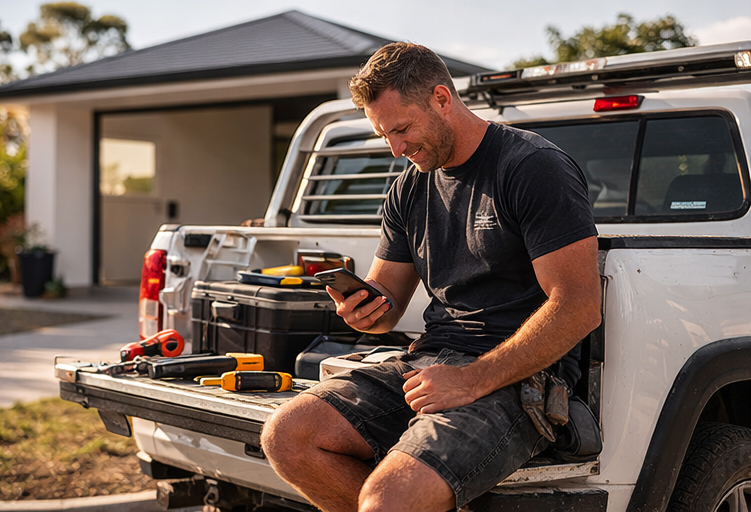
Each state has its own rules. Understanding these can be the difference between a smooth application and a frustrating back-and-forth.
Navigating NSW Fair Trading Requirements
In NSW, getting your paperwork right is crucial. The key is to provide clear and complete documentation. NSW Fair Trading scrutinizes every detail. Make sure your ABN and insurance details are current. Having your documents in order can significantly cut down on processing time.
QBCC Licence Essentials for QLD
In Queensland, the QBCC focuses on your experience verification. They require comprehensive evidence of your work history. Make sure your project list and referee statements align with QBCC standards. Being thorough here helps avoid unnecessary delays.
Access Canberra Licence Guidance
For those applying in the ACT, Access Canberra requires specific documentation. It’s important to ensure all forms are fully completed and precise. Missteps can lead to time-consuming corrections. Focus on accuracy to ensure a smoother approval process.
Creating a Regulator-Ready Application

A regulator-ready application is your ticket to a faster approval. It’s about preparation and anticipating what the assessors need.
Conducting a Gap Analysis
Identify what’s missing in your current evidence. A gap analysis helps you see where your documentation might fall short. This step ensures you address all potential issues before submitting your application, reducing the risk of rejections.
Organizing Supporting Documents
Keep your documents organized. Create a checklist that includes all necessary items like payslips and insurance proof. An organized submission is easier to review, which can lead to faster processing times.
Multi-State Licensing Checklist
If you’re applying in multiple states, a tailored checklist for each is essential. Regulations differ, so ensure you understand each state’s requirements. This approach helps streamline your application process and boosts your chances of first-time approval.
Frequently Asked Questions
What is the most important part of a trade licence application?
The most crucial part is the trade experience evidence, as it demonstrates your competency and skills. Ensure your project list and supporting documents are detailed and accurate.
How can I avoid common application rejections?
Thoroughly check your documents for completeness and accuracy. Ensure referee statements and statutory declarations meet the required standards. Organize your submission to align with your specific state requirements.
How long does it take to get a licence approved?
The processing time varies by state but typically ranges from four to fourteen weeks. Properly prepared applications can help reduce this time.
Remember, the longer you wait to get started, the more you delay your career progression. Prepare your application carefully and consider consulting with experts who can guide you through the process.